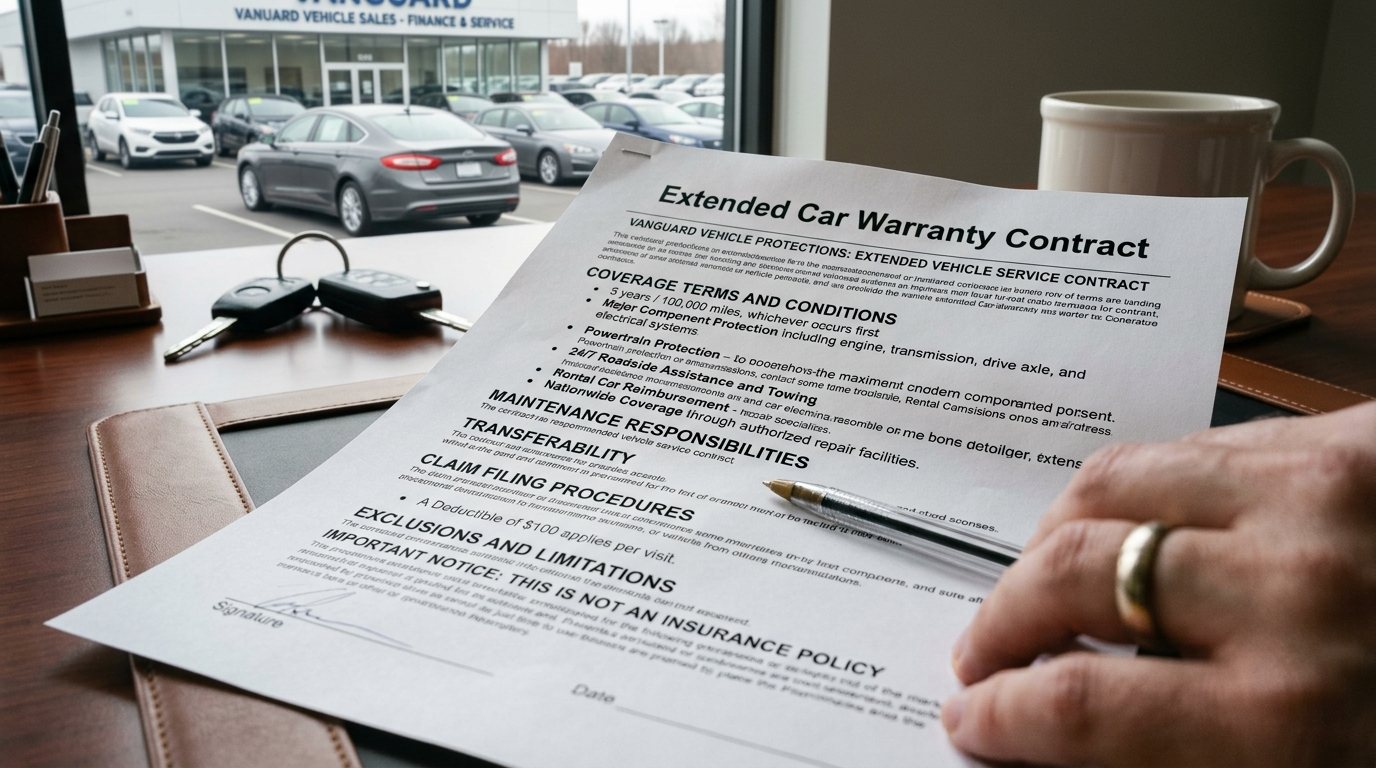
Prepaid Maintenance Plans: How to Tell If the Math Works for You
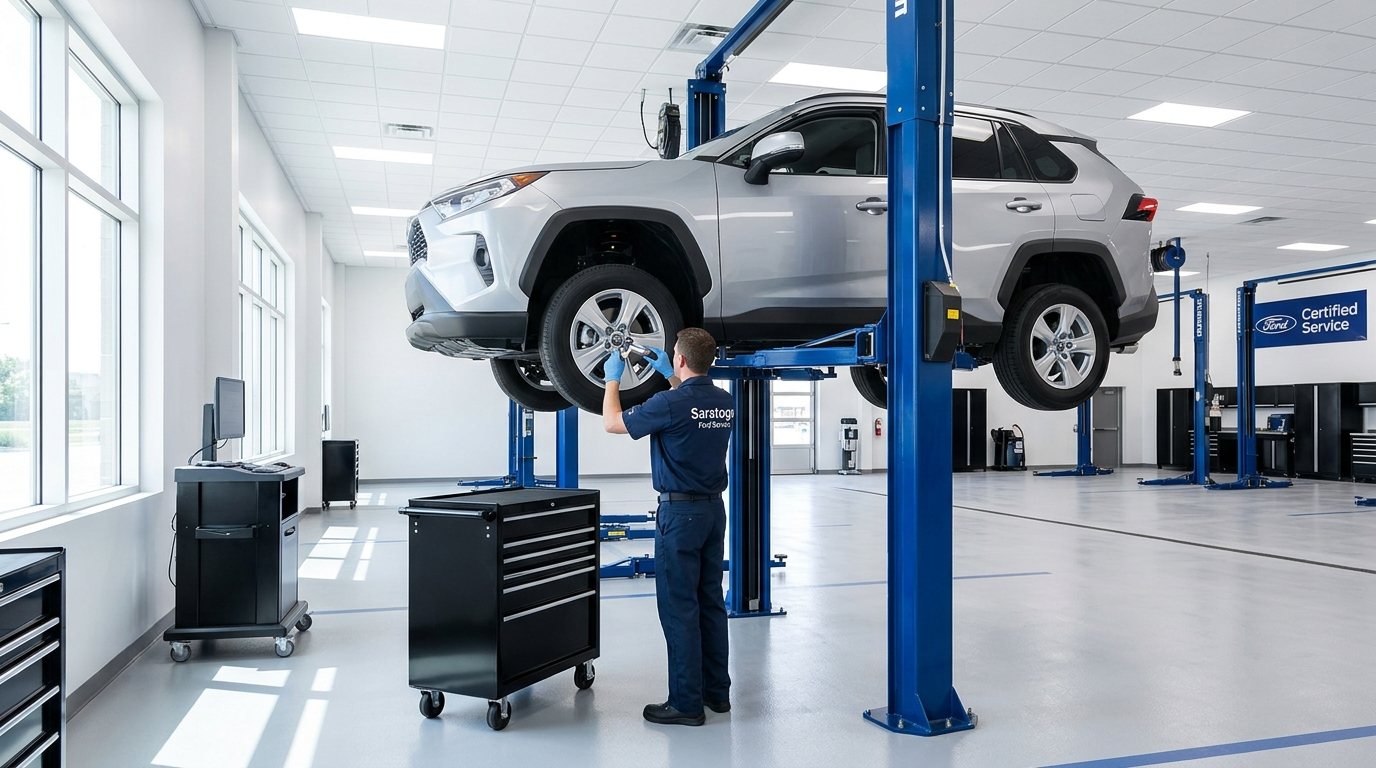
Of everything sold in a dealership finance office, the prepaid maintenance plan is the most straightforward. It is not insurance, there is no fine print about what qualifies as a covered failure, and nothing about it is misleading.
It pre-pays for scheduled maintenance: oil changes, filters, inspections, tire rotations, whatever your owner's manual calls for at each interval.
The only question worth asking is whether the price makes sense, and that is genuinely answerable with a calculator.
The markup, stated plainly
One documented example: a Ford Premium Maintenance Plan that cost the dealer $1,500 was sold at retail for up to $2,500. That figure comes from a former Ford finance manager describing his own store's pricing.
Many of these plans are also manufacturer-subsidized, meaning the dealer participates in the cost alongside the manufacturer as a way to keep customers coming back to the service department. Service work is a profit center, and a customer who returns for oil changes is a customer who is present when it is time to buy again.
None of that makes the product bad. It does mean the first price you are quoted has room in it.
Run the comparison
This is a rare F&I product where you can calculate whether it is worth it, because unlike a warranty, you know in advance exactly what you are buying.
Step one: find out what is covered. Ask for the itemized list of services and intervals, in writing. Not a summary. The actual schedule.
Step two: price the same services locally. Call an independent shop, or check the dealer's own posted service prices. Add up what those visits would cost you individually across the plan's term.
Step three: compare. If the plan costs less than the sum of the services, it can be worth it. If it costs more, you are pre-paying for convenience.
A common outcome: the plan roughly matches or slightly exceeds the retail cost of the same services. Which means the value is not the discount, it is the prepayment.
The question that actually decides it
Would you have paid for this maintenance anyway?
If you reliably get your oil changed on schedule at a dealership, a plan that costs about the same as paying per visit is a reasonable purchase. You are locking today's prices against future increases and removing a recurring decision.
If you would have used an independent shop at half the dealer rate, or stretched intervals, or done some of it yourself, the plan is not saving you money. It is charging you dealer rates in advance for services you would have bought more cheaply or less often.
That is the whole calculation. Not whether the plan is good, but whether it matches what you were already going to do.
What these plans generally do not cover
Worth knowing before you assume something is included:
- Wear items. Brake pads, wiper blades, and tires are typically excluded, even though they are maintenance in the everyday sense.
- Repairs. Anything that breaks is a warranty or service contract matter, not maintenance. Different product entirely.
- Services outside the manual's schedule. If a service advisor recommends something not in the factory schedule, it is generally not covered.
Ask specifically about brakes and wipers, since those are the two people most often assume are included.
Details that change the value
Where it is honored. Some plans work at any dealer of that brand nationwide, others only at the selling dealer. If you move or travel, that matters considerably.
Whether it transfers. If you sell the vehicle before the plan is used up, a transferable plan is worth something to a buyer. A non-transferable one is money left behind.
Refundability. Ask whether unused portions are refundable and on what terms.
The term against your ownership. A five year plan is worth less if you typically trade at three.
Financing it. Rolled into the loan, the plan accrues interest for the life of the loan, commonly adding 20 to 35 percent to the real cost. Paying separately avoids that entirely.
It is negotiable
Like everything in the finance office, the first price is not the only price. Given the spread between dealer cost and retail, there is room to ask.
Two things worth trying: ask for the price to come down, and ask whether a shorter or lower-tier plan is available if the full one is more than you need.
How DriveTrust handles this
Add-on decisions get made before our client reaches the finance office, in writing, as part of the overall deal.
If a client wants a maintenance plan, we negotiate its price alongside the vehicle rather than leaving it to be handled under time pressure at the end of a long day. If they do not, it is declined in writing beforehand, and we verify the final buyer's order to confirm nothing declined has quietly reappeared.
The decision itself stays the client's. What changes is that it gets made calmly, with the comparison numbers in hand.
Common questions
Are prepaid maintenance plans worth it?
Only if you would have paid for the same services at a dealership anyway. Price the covered services individually and compare. If the plan costs more than the sum, you are paying for prepayment rather than savings.
Can I negotiate the price of a maintenance plan?
Yes. Dealer cost and retail price differ substantially, so there is room to ask.
Does prepaid maintenance cover brakes and tires?
Usually not. Wear items including brake pads, wipers, and tires are typically excluded. Confirm in writing.
Can I cancel a prepaid maintenance plan?
Often yes, with a prorated refund, though terms vary by provider and state. Check the cancellation section of the contract.
Does it transfer if I sell the car?
Some do, some do not. A transferable plan adds resale value, so ask before buying.
Is it cheaper to just pay for oil changes as I go?
Frequently, especially at an independent shop. The plan's value is prepayment and price certainty at dealer rates, not a discount against the cheapest available option.
Should I roll it into my loan?
Doing so means paying interest on it for the full loan term, commonly adding 20 to 35 percent to the real cost. Paying separately avoids that.
Rather not do this part yourself?
We settle every add-on in writing before you reach the finance office, with the comparison numbers already in hand. Book a free consultation and we will walk through your situation.