Protection Packages and Dealer-Installed Options: When "Already On the Car" Is Still Negotiable
A dealer tells you plainly that the advertised price is the real price. No markup, no games.
Then the written sheet arrives, and there is a line item for a protection package. Paint and fabric sealant, window tint, floor mats, door edge guards, maybe a ceramic coating. Several thousand dollars, presented not as an option but as something already installed on every vehicle at that store.
Nobody upsold you. Nothing was hidden. And the number went up by thousands.
Factory options versus dealer-installed options
The distinction matters and it is rarely explained.
Factory options are built into the vehicle at the plant, appear on the window sticker, and are priced by the manufacturer. A sunroof, a tow package, a trim upgrade.
Dealer-installed options, or DIOs, are added after the vehicle arrives at the dealership. Window tint, protection coatings, accessories, wheel locks, nitrogen in the tires. These are priced entirely by the dealer, appear on a separate addendum sticker rather than the factory window sticker, and are negotiated separately from the vehicle itself.
If you can see two stickers on the window, the second one is the dealer's, and everything on it is the dealer's own pricing decision.
The economics of the stack
These products carry high margins, which is why they get bundled rather than sold individually.
Consider what the same services cost independently. Window tint from a local shop typically runs a few hundred dollars. Paint sealant and interior fabric protection are detailing services widely available for a fraction of package pricing. Floor mats can be bought directly.
Bundled at a dealership, the same collection frequently runs into the thousands. The gap between those two numbers is the markup, regardless of what the bundle is labeled.
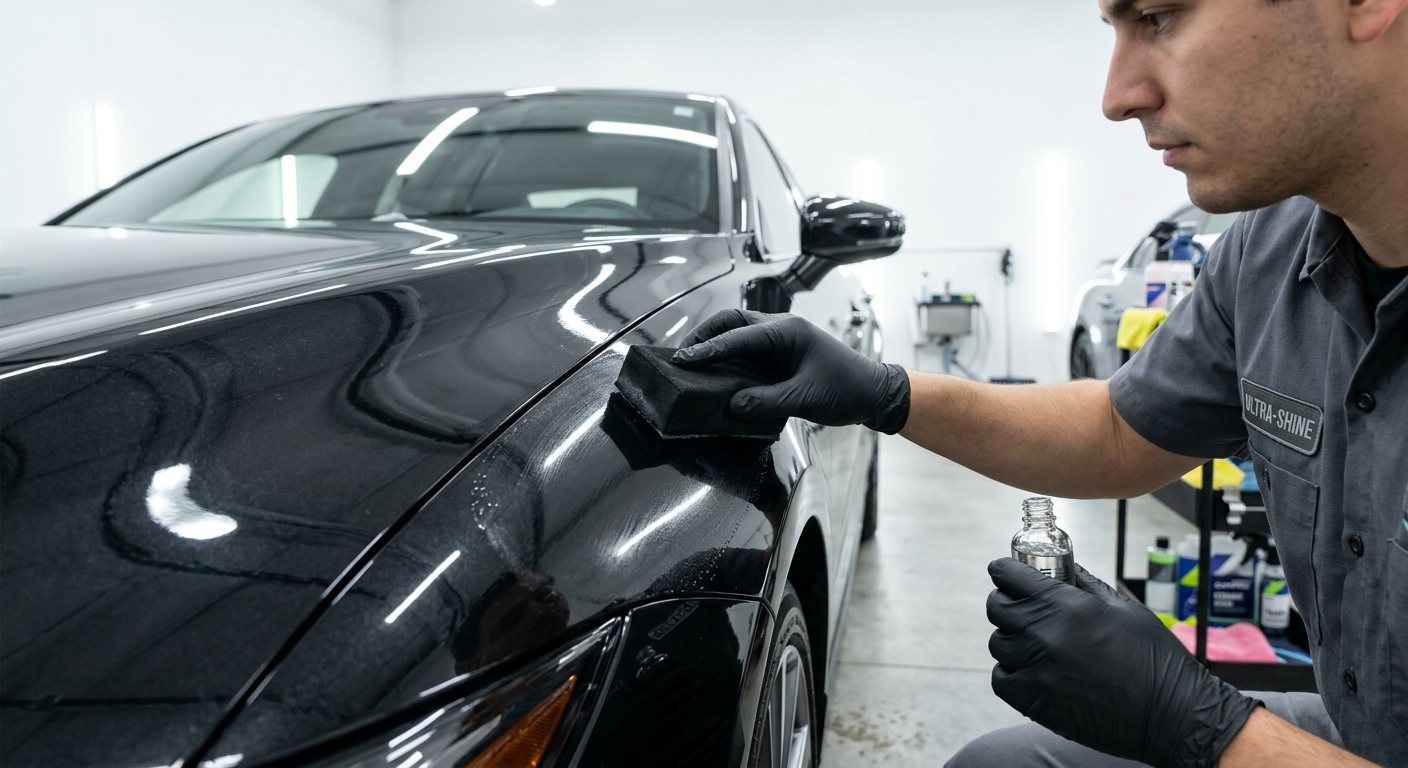
Worth noting some of these products are genuinely useful. Tint is nice. Ceramic coating does something real. The question is never whether the product has value. It is whether the price bears any relationship to what the service costs.
"It is already installed" is a pricing position
This is the part worth understanding clearly, because it is the argument that stops most buyers.
When a package is described as already on every unit at the store, the implication is that it is not an option and therefore not negotiable, the same way you would not negotiate the engine.
But dealer-installed is not the same as factory-installed. Somebody at that dealership decided to add it and decided what to charge. Both of those were choices, and choices can be revisited.
The question that reveals it: ask directly whether any item in the package can be removed or swapped for something else.
A dealer who offers to substitute one product for another has conceded the entire position. If the tint can be swapped for something else, the package is not standard factory equipment. It is a bundle of optional items with a price attached, and everything about it is negotiable.
The addendum sticker, and the markup that lives beside it
Sometimes the protection package sits alongside a separate line for market adjustment, an addendum sticker adding an amount above MSRP purely because of demand.
These are two different things and worth separating in your own head. The package is products with a cost. A market adjustment is simply a higher price.
One real example from the field: a dealer's $5,000 over MSRP ask turned out to be forced dealer-installed accessories, a spoiler and a lighting accessory already installed, combined with a separate market adjustment on top. Two distinct charges presented as one number.
Ask for the sheet itemized so you can see which is which. Then you can address them separately.
What to do
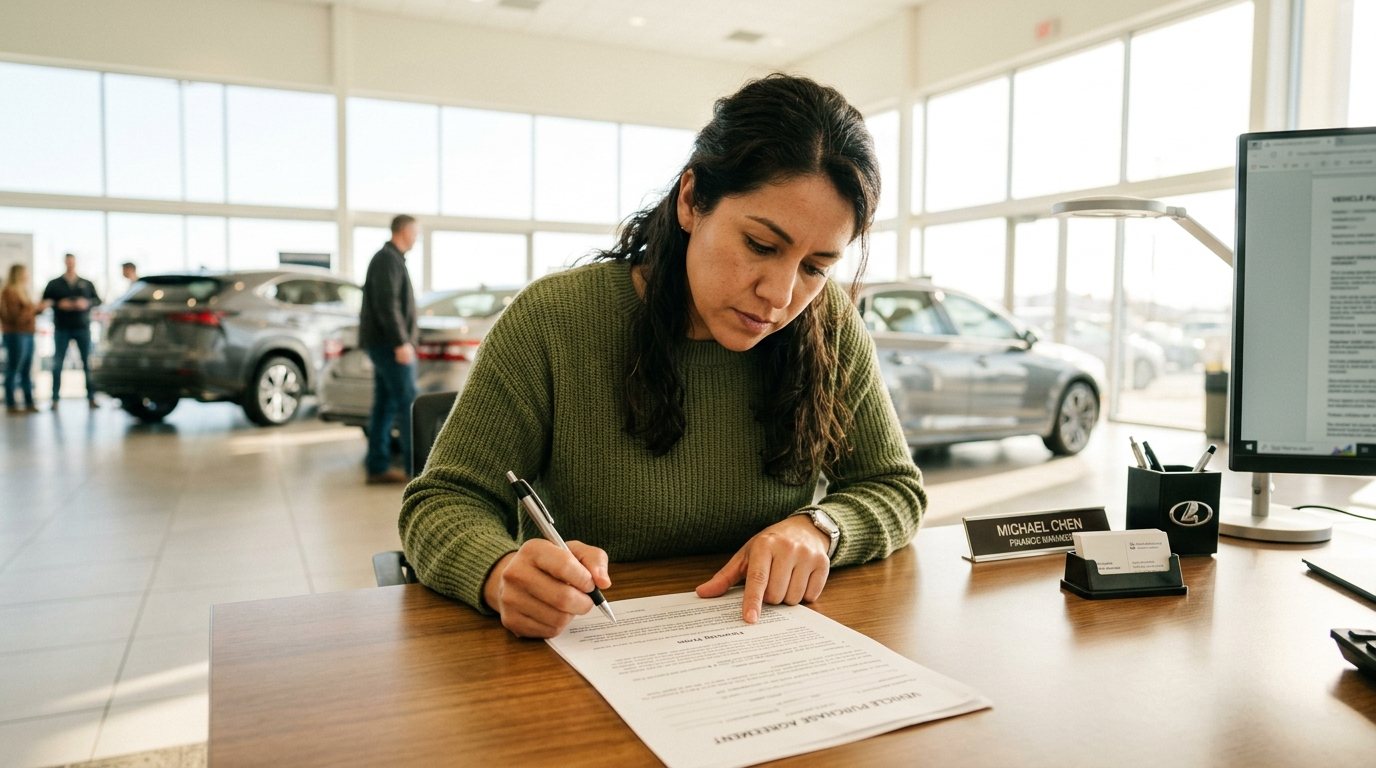
Ask for the written out-the-door price before anything else. A verbal "no markup, that is the real price" and a written sheet are different artifacts. Treat the claim as something to verify against the document, not as the document.
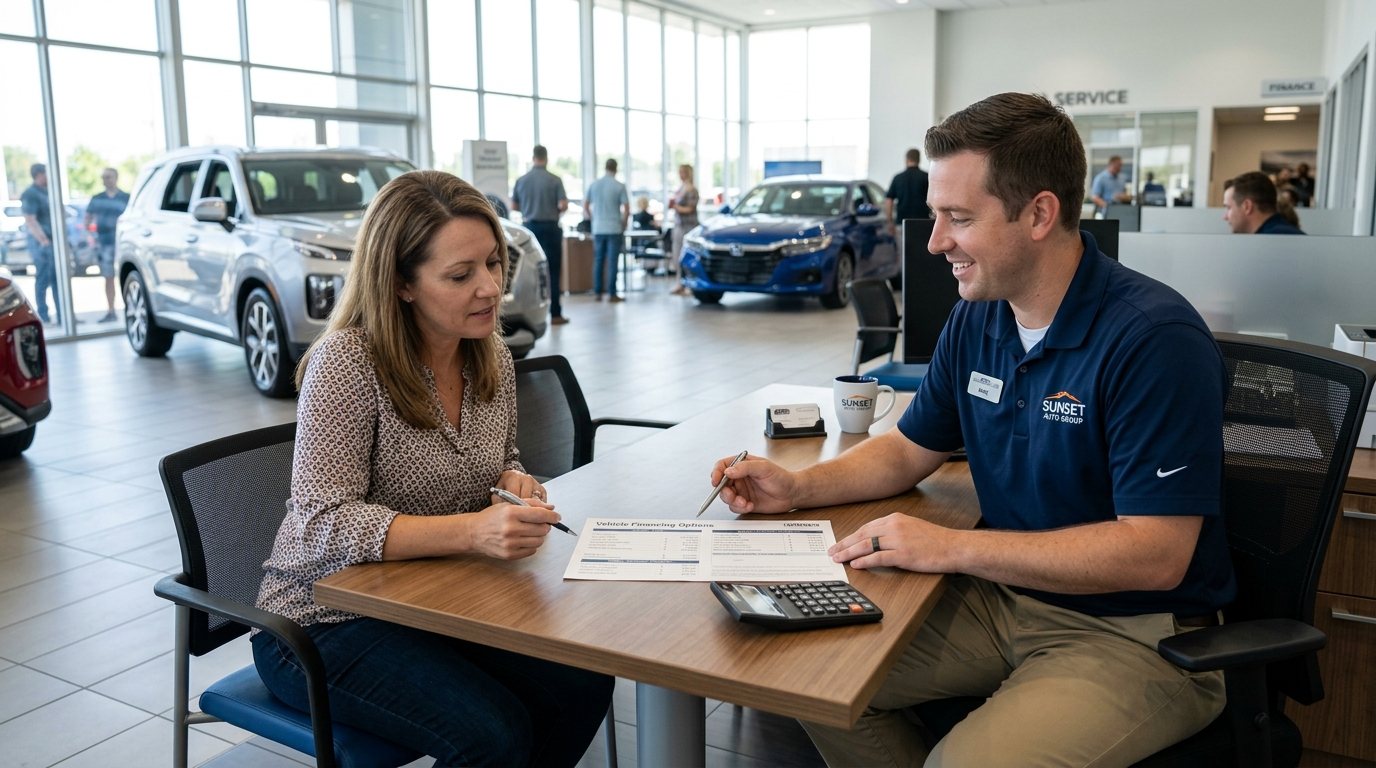
Ask for the addendum itemized. Every dealer-installed item, priced individually, separate from any market adjustment.
Price the same services independently. A few minutes of searching tells you what tint and a paint sealant actually cost in your area. That gives you a real number to compare against.
Ask what can be removed or swapped. The single most useful question. The answer tells you whether the package is genuinely fixed.
Ask what happens if you decline. Sometimes the answer is that the dealer will remove the charge but leave the product installed, because the labor is already spent and the sale matters more.
Compare across dealers. The same vehicle at another store may carry no package at all, or a smaller one. That comparison is leverage, and it is also just useful information.
Verify the final buyer's order. Confirm anything you declined does not reappear, including bundled into another line or renamed.
The thing that is hardest to undo
There is a meaningful difference between declining a product and having it not be on the vehicle.
A protection package you agreed to remove from the price but that is physically installed on the car is a different situation from one that was never applied. Ceramic coating cannot be un-applied. Tint can be removed but not for free.
Which is why it is worth being explicit in writing, not just that you are declining a charge, but that nothing additional is to be installed on the vehicle. The phrasing matters more than it sounds.
How DriveTrust handles this
We request written out-the-door pricing from multiple dealers on the same vehicle, which surfaces these packages immediately rather than at signing. A store adding a $3,000 protection stack looks very different next to a store that is not.
When a client accepts a deal, we confirm in writing which products are included, which are declined, and that nothing further is to be installed on the unit. Then we verify the final buyer's order line by line before our client signs, checking that no declined item has reappeared under a different name or inside a bundle.
The client never has to be the one asking whether the package is really non-negotiable at the end of a long day.
Common questions
What is a dealer-installed option?
Any accessory or product added by the dealership after the vehicle arrives, rather than at the factory. Tint, protection coatings, accessories, wheel locks. It appears on a dealer addendum sticker, not the factory window sticker, and the dealer sets the price.
Can I refuse a protection package that is already installed?
Often yes, at least as a charge. Ask directly whether items can be removed or swapped. A dealer willing to substitute has confirmed the package is optional rather than standard.
What is the difference between the window sticker and the addendum sticker?
The factory window sticker, required by federal law, lists the manufacturer's MSRP and factory options. An addendum is the dealer's own additional sticker listing dealer-installed items and any market adjustment.
Is paint protection or ceramic coating worth it?
The products can be genuinely useful. The question is price. Compare the package cost against what the same service costs at an independent detailer, which is often a fraction.
What is a market adjustment?
An amount added above MSRP because of demand. It is not a product and has no cost behind it. It is separate from dealer-installed options, though the two are frequently presented as one number.
Is a dealer allowed to add these charges?
Generally yes, provided they are disclosed. That is why asking for an itemized written out-the-door price matters, since it makes every line visible before you commit.
What should I say if I do not want any of it?
Ask for the out-the-door price with all dealer-installed products removed, and confirm in writing that nothing additional is to be installed on the vehicle. Declining a charge and preventing installation are two different things.
Rather not do this part yourself?
We surface these packages up front by pricing the same vehicle across multiple dealers in writing. Book a free consultation and we will walk through your situation.