Nothing Is Final Until You Sign: The Guilt Play at the End of a Car Deal
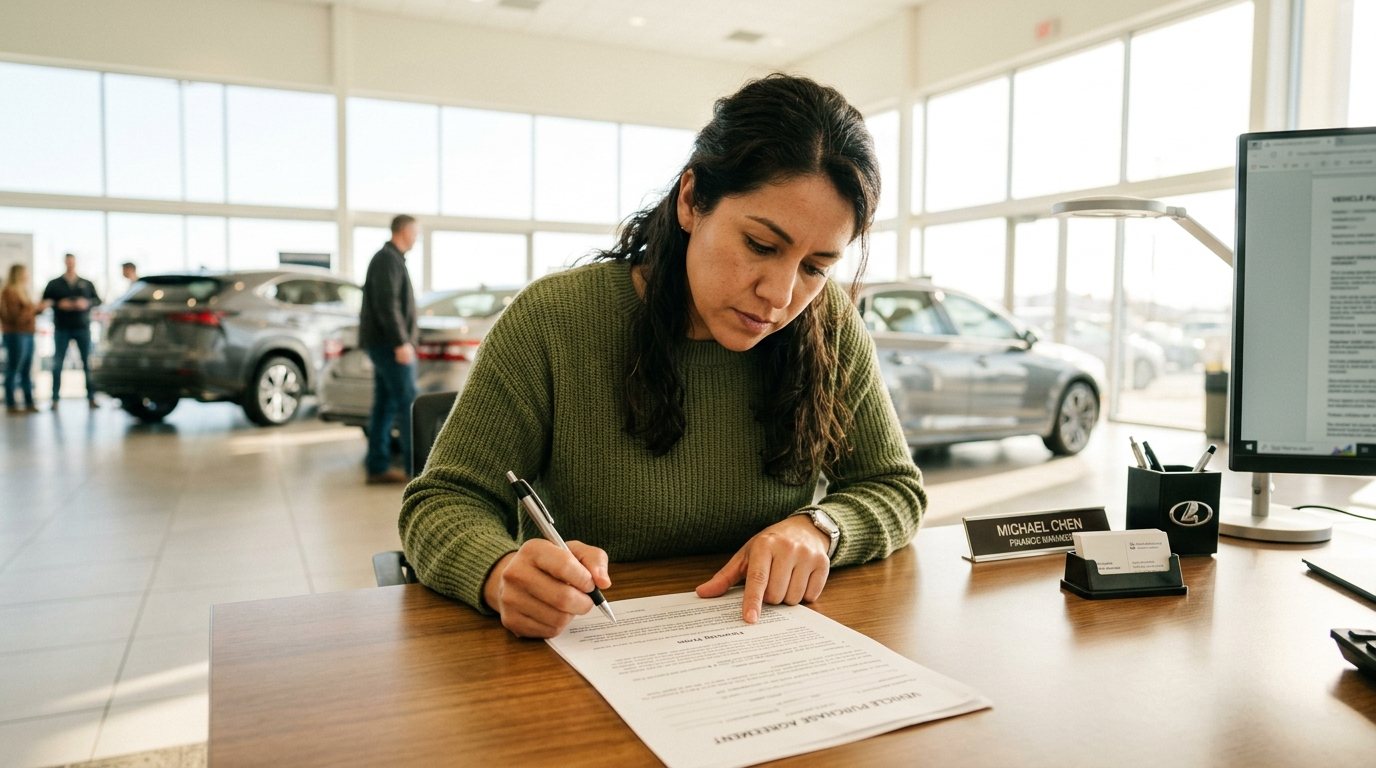
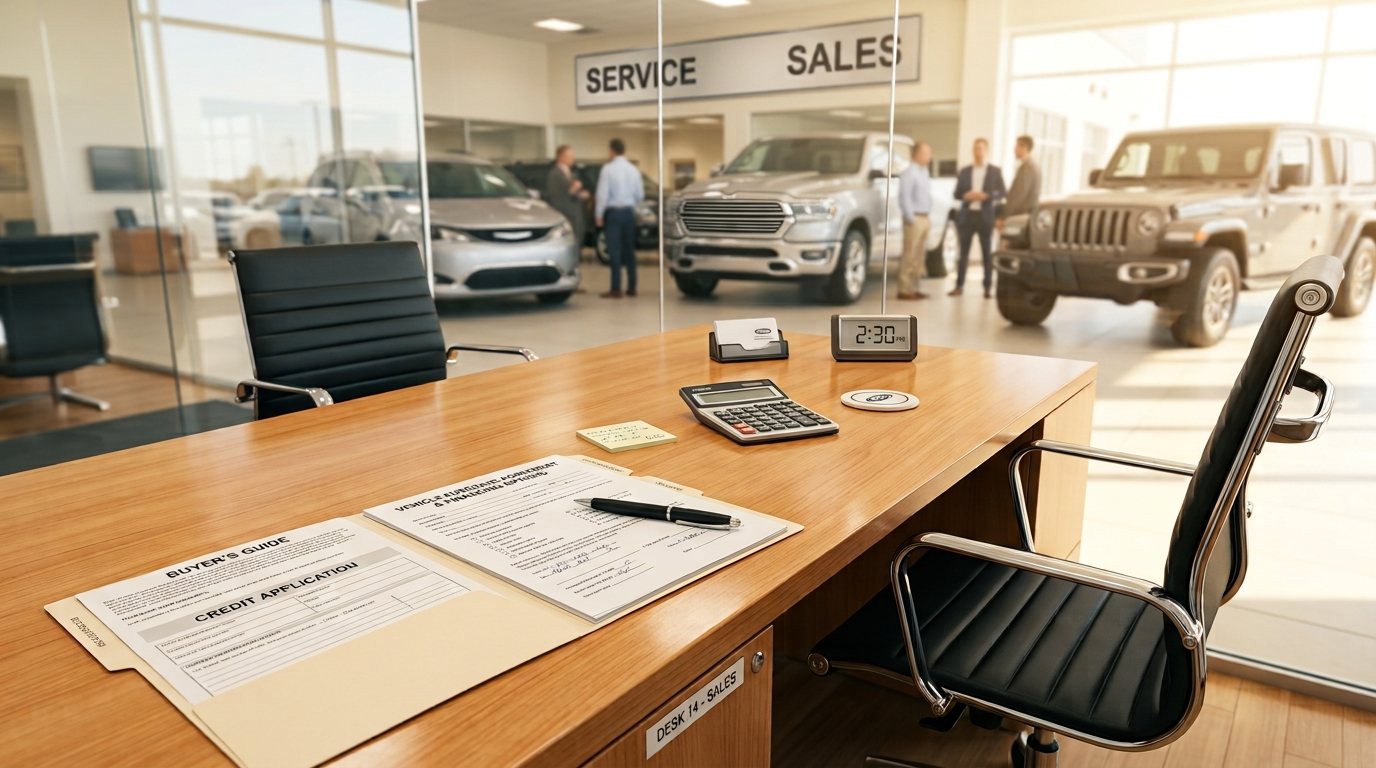
You have been at the dealership most of the afternoon. You agreed to a number a while back. Now the final paperwork is in front of you and it does not match what you agreed to. There are fees you have not seen, or a protection package you did not ask for, or a rate that moved.
You say you want to stop. And the tone changes.
"Didn't those numbers look good to you? We shook on it. Doesn't your word mean anything?"
Why it lands
This works on decent people, and that is the point. Someone who cares about being fair, who dislikes wasting another person's time, who feels the weight of having said yes earlier, is exactly the person this is designed for.
It is also arriving at the worst possible moment for clear thinking. Hours in, tired, wanting the day to be over, with a signature the only apparent path out of the room.
Worth being direct about the thing the guilt depends on: you did not go back on anything. The numbers changed. You agreed to one deal and were presented with a different one. Declining a different deal is not breaking your word. It is noticing that the deal is different.
The legal reality
A verbal agreement to buy a vehicle is not binding. Nothing obligates you until you have signed the purchase contract.
This is not a technicality or a loophole. Vehicle sales in the United States generally require a written contract to be enforceable, which is precisely why the finance office exists and why there is a stack of paper at the end. Until your signature is on it, there is no deal, for either side.
The reverse is true too, which is worth knowing: a dealer's verbal promise is equally non-binding. If something was promised earlier, it needs to appear in the written contract to mean anything at all. Anything you were told and cannot find on the page effectively does not exist.
What actually triggers this moment
The guilt play is a response, not an opening move. It shows up when something has already gone wrong, and the underlying problem is nearly always one of these.
Fees that appear late. Doc fees, dealer prep, delivery charges, or an addendum sticker that was not part of the earlier conversation.
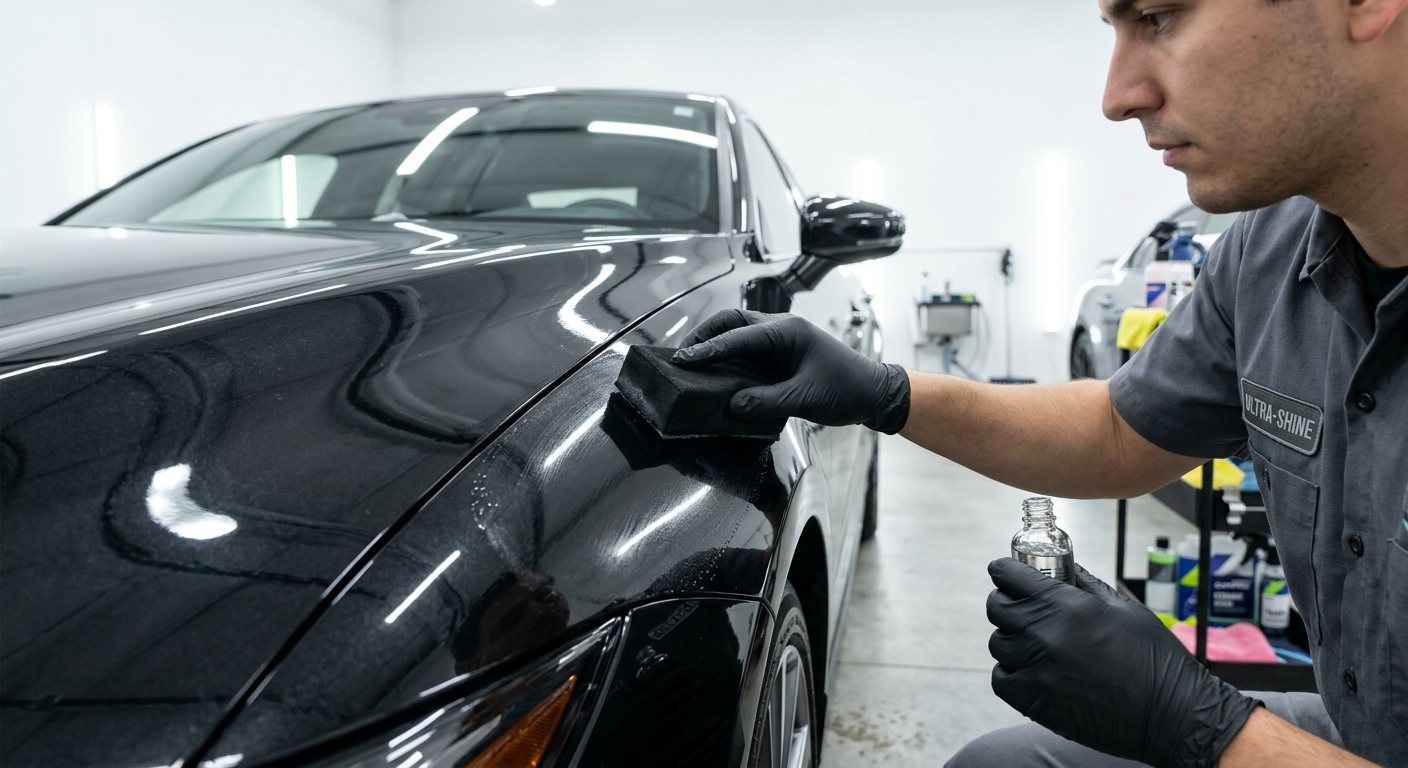
Add-ons already installed. A protection package, window tint, or accessories presented as already on the vehicle and therefore not removable.
A rate or term that shifted. The financing quoted earlier does not match the financing in the contract, or the term stretched to hold the payment steady.
Products you declined reappearing. An extended warranty or GAP policy showing up in the numbers after you said no, sometimes renamed or bundled.
Each of these is a real reason to stop and read. None of them is your fault.
How to hold the line
Read the final buyer's order line by line before signing anything. This is the single most valuable ten minutes of the entire day. Compare it against whatever written figure you agreed to earlier. Check the out-the-door total, the rate, the term, the trade allowance, every fee line, and confirm nothing you declined has reappeared.
Say what you need plainly. "This does not match what we agreed to. I need it corrected or I am not signing." You do not owe an explanation beyond that.
You do not have to argue. The guilt play invites a debate about your character. You are not obligated to have that conversation. Repeating the same neutral sentence works better than defending yourself.
You can leave. At any point, for any reason, without signing. If your keys are with an appraiser, ask for them back. Bringing a spare key removes that friction entirely.
Take it home if you want to. You can ask for a copy of the buyer's order to review before signing. A dealer who refuses to let you read the contract outside the building has told you something.
The version that costs the most
The hardest one to walk away from is when everything is nearly right and one thing is wrong. A single unwanted item, a few hundred dollars, at the end of a very long day.
That is the calculation the moment is built around: the sum is small enough that leaving feels disproportionate, and you are tired enough that signing feels like relief.
It helps to decide in advance. Before you go in, know your out-the-door number and know that a contract which does not match it is one you do not sign. Made ahead of time, that is an easy decision. Made at hour five, it is a hard one.
How DriveTrust handles this
This situation exists because pricing and add-ons get settled at the dealership, under time pressure, with the buyer alone.
We move all of that earlier. Written out-the-door pricing is agreed with the dealer before our client goes in. Every add-on is confirmed or declined in writing ahead of time. We then verify the final buyer's order line by line against what was agreed, before our client is asked to sign anything.
There is no moment at hour four where somebody has to decide whether their word means something, because the numbers were settled while everyone was fresh and nothing changed after.
Common questions
Is a verbal agreement to buy a car legally binding?
No. Vehicle purchases require a signed written contract to be enforceable. Until you sign, you are not committed.
Can I walk away after agreeing to a price but before signing?
Yes. No obligation exists until the contract is signed.
What if I already put down a deposit?
Refundability depends on what you signed. Check the deposit terms. A deposit generally does not obligate you to complete a purchase, but recovering it may depend on the written conditions.
Can I cancel after I sign?
Usually not. Contrary to common belief, there is generally no cooling-off period for vehicle purchases, and the federal three-day rule does not apply to cars bought at a dealership. Some states and some individual dealers offer return policies, but they are the exception. This is why reading before signing matters so much.
What should I check on the final paperwork?
The out-the-door total, interest rate, loan term, trade allowance, every fee line, and confirmation that nothing you declined appears anywhere, including bundled or renamed.
They said I gave my word. Am I in the wrong?
No. If the paperwork does not match what you agreed to, the terms changed. Declining changed terms is not breaking an agreement.
Rather not do this part yourself?
We verify the final buyer's order line by line against what was agreed, before you are asked to sign. Book a free consultation and we will walk through your situation.