New vs certified pre-owned: how to decide
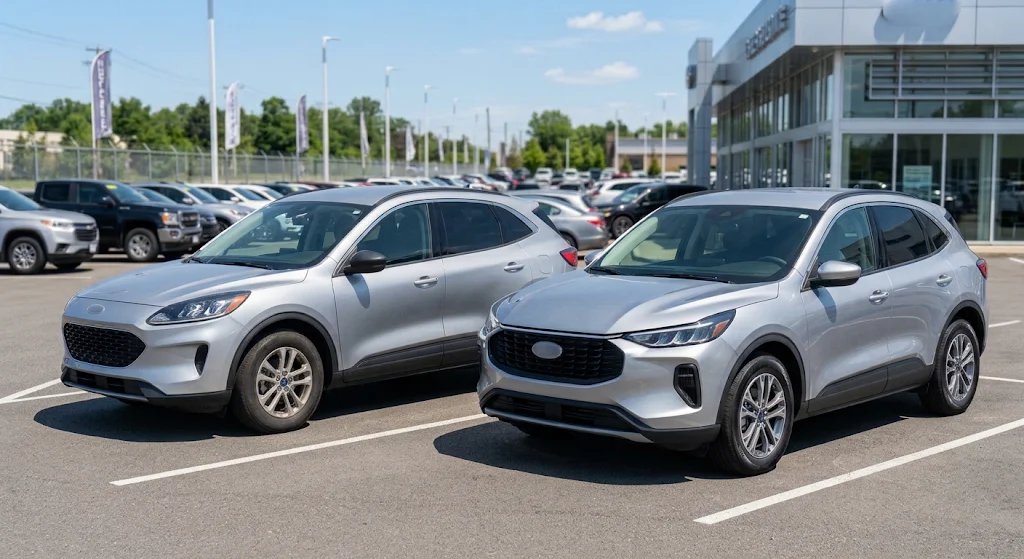
Certified pre-owned sounds simple: a used car with extra peace of mind. But most shoppers are not sure what the label actually promises. In a November 2026 Cox Automotive study, only 31 percent of new-car shoppers who were open to certified pre-owned said they knew exactly how it differs from a regular used car.
This guide explains what certified really means, where new comes out ahead, where certified pre-owned comes out ahead, and the simple math that tells you which one costs less for the car you want.
The short answer
New often wins when the manufacturer is offering strong money on the car you want, such as a low promotional interest rate or a large rebate. Certified pre-owned often wins on price, because a one to three year old car has already taken its biggest drop in value, and someone else paid for it.
The only way to know for your car is to compare both on the same terms: the out-the-door price, the interest rate, and the total cost of the loan.
What "certified" actually means
There are two very different things sold as "certified."
Manufacturer certified pre-owned (CPO). The automaker runs the program. The car has to meet age and mileage limits, pass a multi-point inspection, and it comes with a warranty backed by the manufacturer. Because the manufacturer backs it, any dealer of that brand can do covered repairs.
Dealer certified. Some dealers put their own "certified" label on used cars. That warranty, if there is one, is backed by the dealer or a third party, not the manufacturer. It may cover much less, and it may only be honored at that store.
Before paying more for any certified car, ask three questions and get the answers in writing:
- Who backs the warranty: the manufacturer, the dealer, or a third party?
- What does it cover: powertrain only, or more?
- When does it end, by date and by mileage?
Where new comes out ahead
- Promotional interest rates. Automakers often offer low rates on new cars that used car loans cannot match. In the second quarter of 2026, Experian reported an average new car loan rate of 6.35 percent and an average used car rate of 11.19 percent. Even for borrowers with excellent credit, used rates averaged 6.29 percent against 4.41 percent for new.
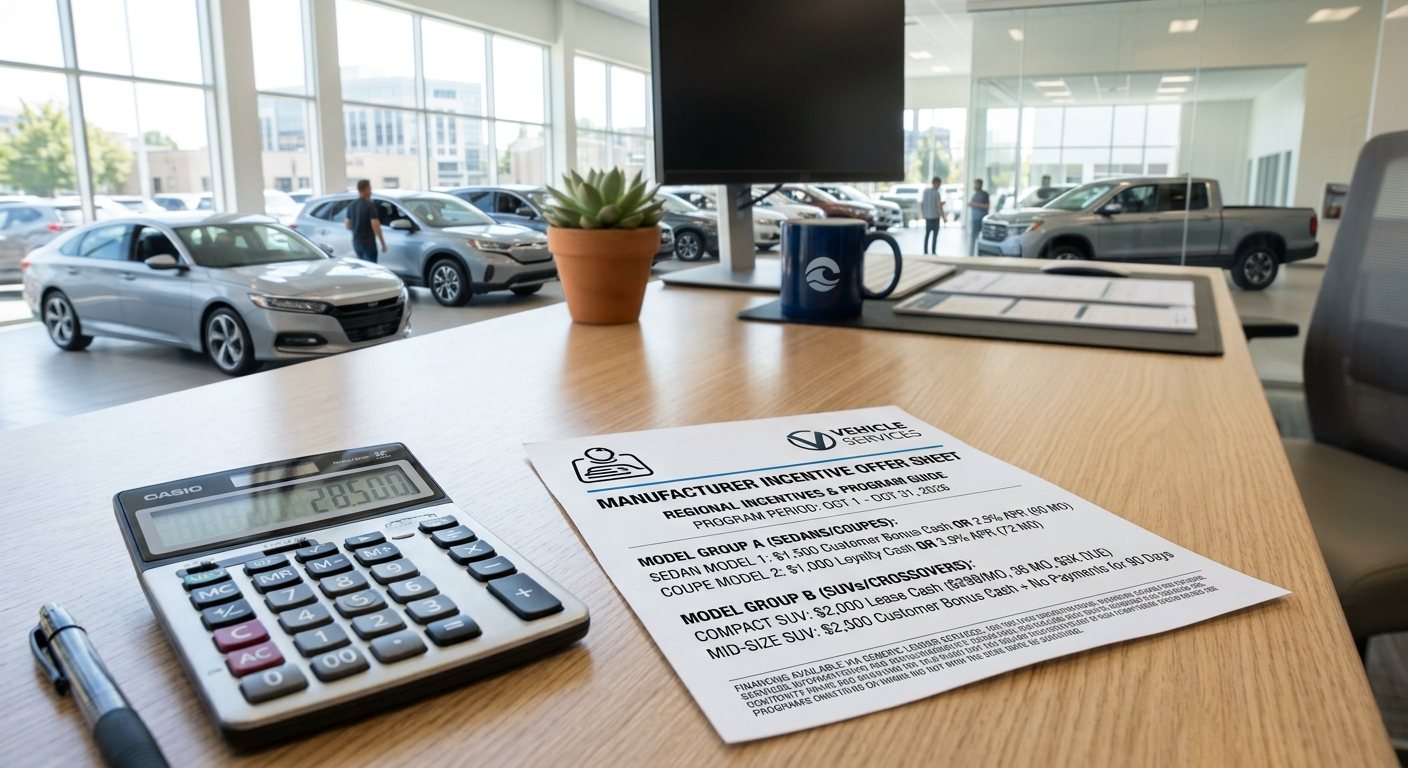
- Rebates and incentives. Factory cash usually applies to new cars only.
- A full factory warranty. Every year and mile of coverage is yours.
- Exactly what you want. You choose the trim, the colors, and the options instead of picking from what is on the lot.
Where certified pre-owned comes out ahead
- Someone else took the biggest hit. A car loses value fastest in its first few years. Buying at one to three years old means the steepest part of that drop is behind it.
- A lower price. The same model, a year or two old, often costs thousands less.
- A factory-backed warranty on a used car. With a manufacturer program, you still get coverage backed by the automaker, plus an inspection standard.
- Some brands offer special rates on certified cars. Ask whether the brand has a promotional rate for its certified pre-owned program before you compare.
The math that decides it
Here is a simple example. The numbers are illustrative, not quotes for a specific car.
| New | Certified pre-owned, 2 years old | |
|---|---|---|
| Out-the-door price | $42,000 | $33,000 |
| Interest rate | 2.9% (factory promotional rate) | 6.29% |
| Loan term | 60 months | 60 months |
| Monthly payment | about $753 | about $642 |
| Total interest | about $3,169 | about $5,547 |
| Total cost of the loan | about $45,169 | about $38,547 |
In this example, the certified car pays more in interest but still costs about $6,600 less overall. If the new car had a bigger rebate, or the price gap were smaller, the answer could flip. That is why you compare the totals, not the monthly payment and not the sticker.
Run your own numbers with our Payment Calculator.
Before you buy any pre-owned car
- Get the vehicle history report. Carfax or AutoCheck. Most dealers will send it for free. Look at accidents, number of owners, title status, and service records.
- Confirm a clean title. Walk away from salvage, rebuilt, flood, or lemon buyback titles.
- Check open recalls. Recall repairs are free at any dealer of that brand, so ask the selling dealer to complete them before delivery.
- Know how much warranty is left. Factory coverage is measured from the original sale date, so a two year old car may have less left than you think.
- Get it inspected before you sign. A certification inspection is done by the selling dealer. An independent pre-purchase inspection works for you.
Motorcycles, UTVs, and ATVs
Manufacturer certified programs are less common in powersports, so condition matters even more. Many off-road machines are measured in hours instead of miles, and a few hard hours can mean more wear than a lot of easy miles. Check the hour meter or odometer, look for signs of crashes or rollovers, and have it inspected before you buy.
How DriveTrust helps
We negotiate both new and pre-owned vehicles for the same flat $895 fee, with the same guarantee: a written offer on a vehicle that matches your specs within 10 business days, or your money back. For pre-owned, we work with franchised dealers only, every car we bring you has a clean title and a history report, and we can arrange an inspection before you sign, locally or anywhere in the country.
Not sure whether new or certified pre-owned makes more sense for you? That is exactly what a free consultation is for.
Common questions
Is certified pre-owned worth the extra cost over a regular used car?
Often, if it is a manufacturer program. You are paying for a factory-backed warranty and an inspection standard. A dealer's own certification is worth much less, so find out who backs the warranty before you pay extra for it.
Can you negotiate the price of a certified pre-owned car?
Yes. Certified pre-owned cars are priced by the dealer like any other used car, and the certification cost is part of that price, not a fixed fee. Compare the out-the-door price with other dealers selling the same model.
Does a certified pre-owned warranty transfer if I sell the car?
Many manufacturer programs allow the remaining coverage to transfer to the next owner, sometimes for a small fee. Rules vary by brand, so check the program terms in writing.
What counts as pre-owned for DriveTrust?
Generally vehicles up to 3 model years old and under 40,000 miles from franchised dealers. Motorcycles under 10,000 miles, and UTVs and ATVs with low hours, also qualify. Slightly older or higher-mileage vehicles can be considered at your consultation.